Full Delete Kits
Showing 1–16 of 57 results
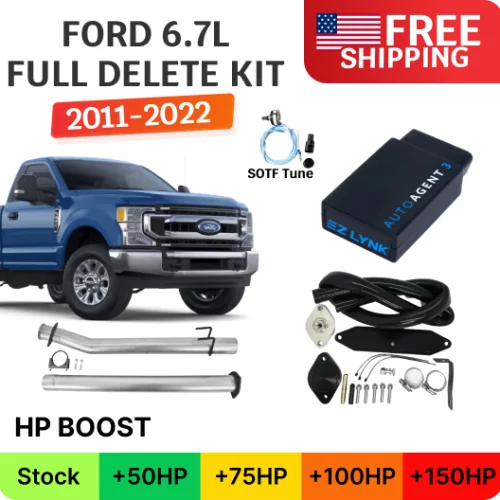
Full DPF/DEF/EGR Delete Kit w/ EZ Lynk Tuner | Ford Powerstroke 6.7L | 2011-2022
From
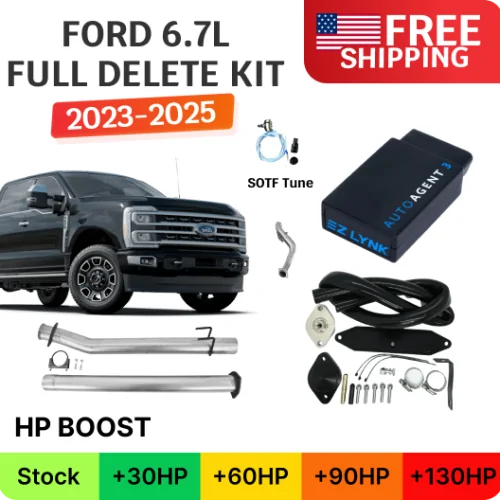
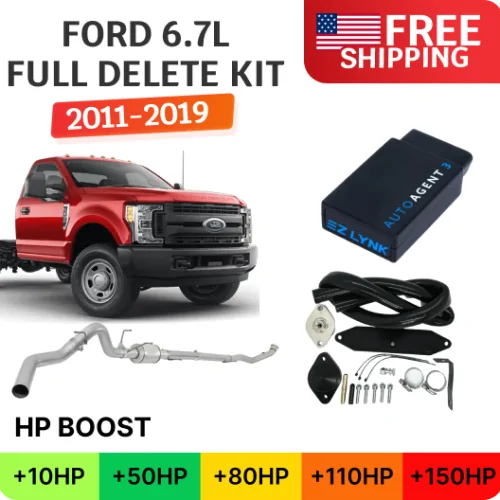
Ford Powerstroke 6.7L F350/F450/F550 Cab & Chassis | Full Delete Kit (DPF/DEF/EGR) | 2011-2019
From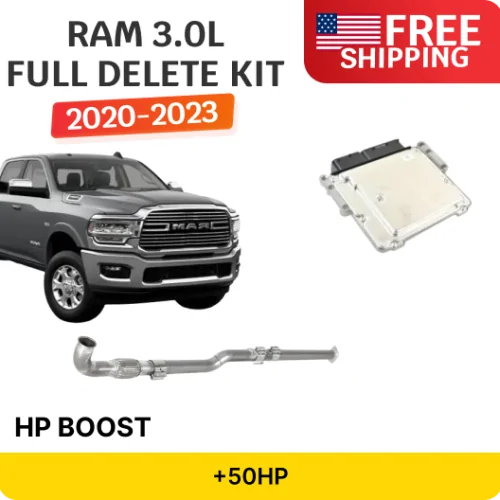
Full Delete Kit DPF/DEF | RAM 1500 Ecodiesel 3.0L w/ Bench Flash Tuning | 2020-2023
From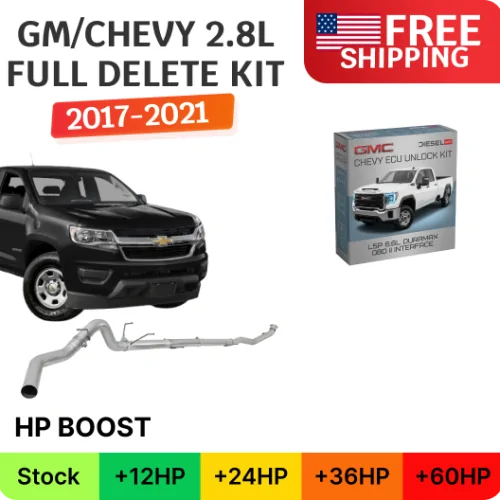
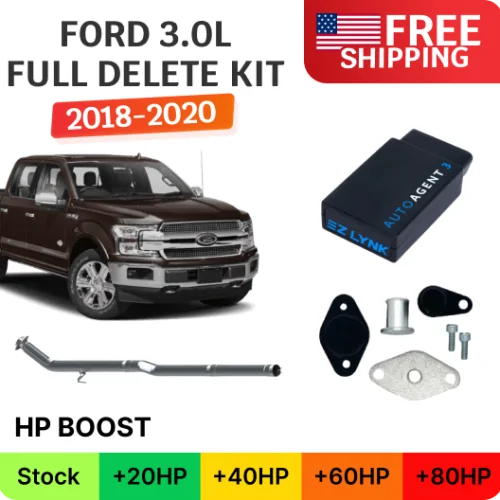
Ford Powerstroke 3.0L Full Delete Kit | DPF/DEF/EGR | Delete Pipe 2018-2020
Original price was: $2,616.$2,249Current price is: $2,249.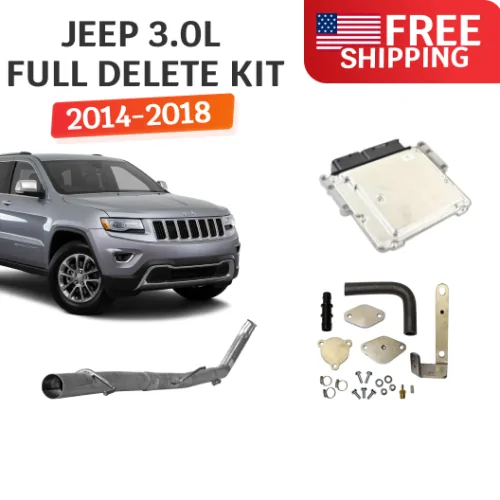
Full Delete Kit (DPF/DEF/EGR) w/ Bench-Flash | Jeep Grand Cherokee Ecodiesel 3.0L | 2014-2018
From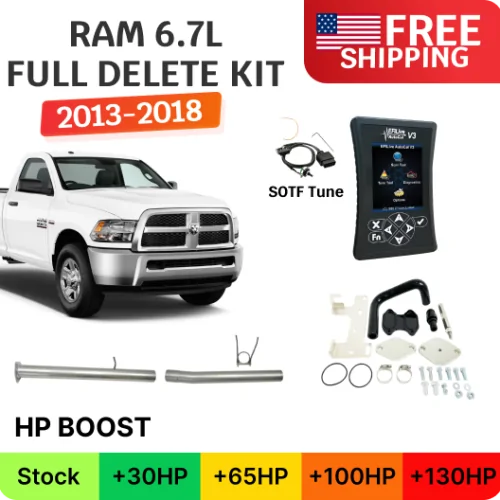
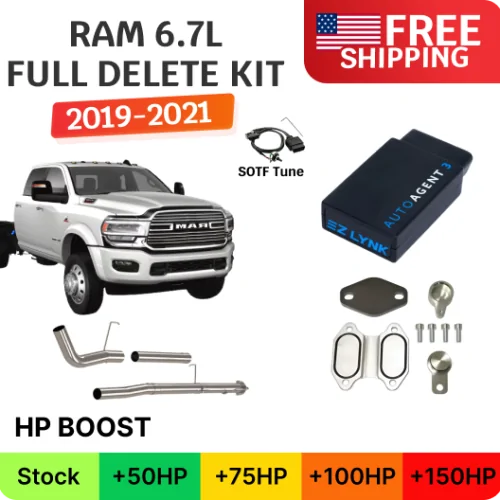
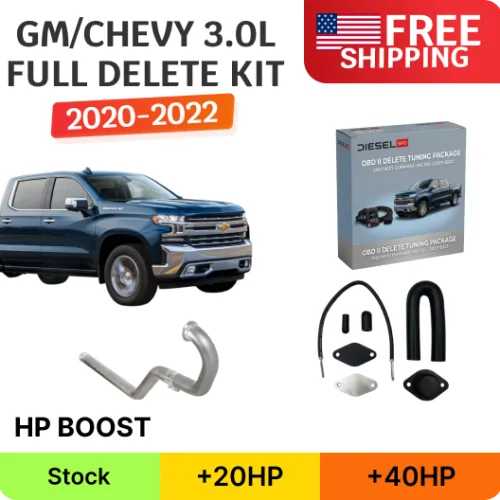
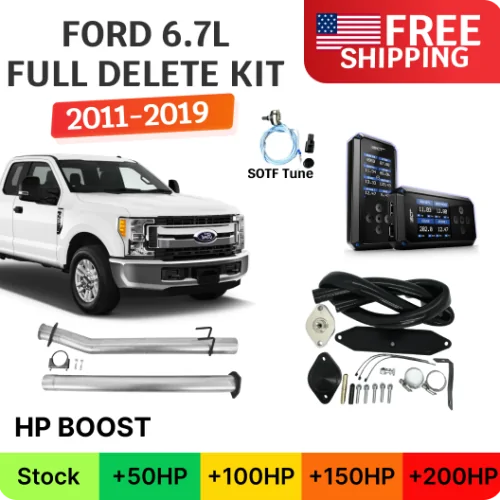
Ford Powerstroke 6.7 | Complete Full Delete Bundle (DPF/DEF/EGR) | 2011-2019
From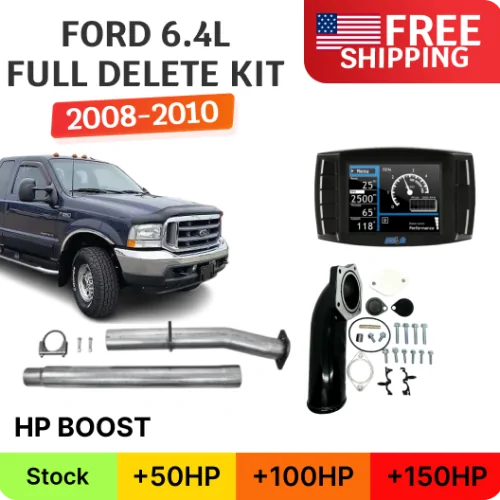
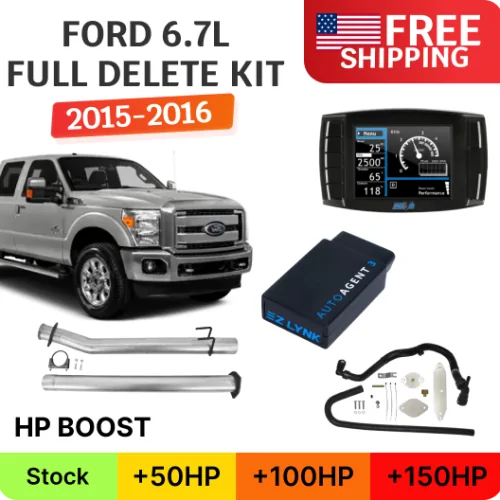
Ford Powerstroke 6.7L | DPF/DEF/EGR Delete Kit w/ EZ Lynk Tuner | 2015-2016
FromFull Delete Kits for Diesel Trucks
Diesel delete kits combine the hardware and tuning needed to remove or disable factory emissions systems on supported off-road diesel trucks. Each Diesel Bro bundle contains matched components for a specific vehicle, engine, year range, and body style. A kit with the right fitment keeps the exhaust route, tuner, and installation parts aligned for your truck instead of forcing you to piece together separate parts.
A complete package is useful when the truck needs one coordinated setup. Depending on the listing, the package may cover the restricted DPF section, DEF-related logic through tuning, EGR-side work, and the hardware needed to complete the install. For newer pickups, the final choice may also depend on whether an ECM unlock or bench flash tuning is required before tunes can be installed.
Benefits and Technical Specifications
If properly set up, a DPF delete kit can improve performance by easing restrictions around the factory system. Parameters like the vehicle itself, tune level, tire size, and daily use determine the results of deletion. Here’s what Diesel Bro customers report after using a full delete kit:
- Horsepower. Many listings show file choices from +10 HP to +150 HP.
- Airflow. Cleaner exhaust routing can reduce back pressure and support a steadier boost.
- Fuel efficiency. Some highway setups see about 5-12% better fuel use.
- Heat control. Removing restricted parts can lower the heat around the affected area.
- Fitment safety. Complete packages lower the risk of mixed components from different applications.
The upsides of Diesel Bro delete kits go beyond enhanced performance stats. With the correct upgrade, the hardware, software, and pipe route work as one package. The right bundle also lowers the risk of ordering parts that do not fit the same truck.
Key Components for All-In-One Delete Kits
An All-In-One delete kit should give the truck owner one setup path instead of a loose set of unrelated parts. The point here is to match the tuning, exhaust route, hardware, and installation steps before the work starts. On the product listing page, Diesel Bro buyers can verify fitment details and the required tuning method for their truck. The main parts in delete bundles usually include:
- Tuner. The tuner loads the selected calibration to the ECU and helps the truck work without the factory DPF/DEF/EGR logic. Some late-model trucks may need ECM unlock or bench flash tuning before setup.
- Tunes. Tunes set the power level and operating logic after removal. Available power levels vary by platform, tuner, and supplier, with some applications offering multiple selectable tune levels. Towing and daily-use pickups often work better with a mild file than with the highest horsepower option.
- Delete pipes and exhaust options. Delete pipes replace the restricted filter section and connect the changed exhaust route under the truck. In the Diesel Bro catalog, buyers can see 4-inch and 5-inch exhaust setups. 4-inch options are usually easier to fit on daily-use pickups. 5-inch setups are often chosen for a deeper exhaust note and a larger overall exhaust diameter.
- DEF system support. DEF is usually handled through the tuner rather than by one separate physical DEF delete kit. Depending on the platform, the bundle may include the hardware and tuning required to address DEF-related components on supported off-road applications.
- EGR valve parts. EGR-related components may block, reroute, or remove the valve-side hardware included in the package. The exact parts depend on the engine platform and year range.
- Hardware pack. Clamps, gaskets, plugs, hangers, and small fittings help complete the removal process. Without these components, installation can be delayed even when the main pipes are correct.
- Installation Instructions. Detailed guides show the setup order and help simplify the installation process. Technical support is also available if questions come up during tuning or exhaust work.
A package is only useful when the parts match the truck in front of you. Cab layout, calibration status, and engine code can all change the final choice.
Vehicle Fitment
None of the solutions at the Diesel Bro storefront should be considered universal. A kit that follows one frame route may not fit another (although the engine size may look the same). Diesel Bro bundles cover these main truck groups:
- Ford Powerstroke – 3.0L, 6.0L, 6.4L, and 6.7L, including Pickup and Cab & Chassis applications.
- Ram Cummins – 6.7L (2007.5–2024), including Pickup and Cab & Chassis models.
- Ram EcoDiesel – 3.0L (2014–2023).
- GM / Chevy Duramax – 2.8L LWN, 3.0L LM2, and 6.6L LBZ, LMM, LML, and L5P.
- Jeep EcoDiesel – 3.0L Grand Cherokee (2014–2018), Wrangler (2020–2023), and Gladiator (2020–2023).
- Nissan Titan XD Cummins – 5.0L (2016–2018).
How to Choose the right DPF Delete Kit
- Match the make, year, and engine first. Do not choose by price before checking the exact vehicle application.
- Check the body style. Pickup and cab-and-chassis routes can use different pipes.
- Review the tuning method. Some trucks use a handheld device. Others may need a bench flash tuning with ECM unlock.
- Compare included hardware. Make sure the kit covers the parts already on your truck.
- Choose the power level for the job. The file should enhance real use, not just show the highest boost number.
For help with fitment, contact Diesel Bro support before ordering. This step can prevent the wrong bundle or tune file from being selected.
FAQs
A delete kit removes or disables supported DPF, DEF, and EGR functions on an off-road diesel truck. Unlike purchasing individual parts separately, a complete bundle includes components that are already matched for the same platform, reducing fitment issues and installation delays.
The goal is to make the changed hardware and software work together. These kits are not emission-legal for public roads.
Yes, most DPF delete setups need a tuner because the ECU still expects factory sensor data and regen cycles. Without the right file, the truck may show fault codes or enter limp mode. In a complete bundle, the tuner, tune file, pipes, and related hardware are selected for the same truck application.
Some newer trucks need an unlock before the file can be written. To ensure correct fitment, check notes on the product pages and contact support if unsure.
There is no single best delete kit for every 6.7 Cummins truck. The right choice depends on the model year, intended use, and the tuning platform you prefer.
For 2007.5–2018 Ram Cummins, one of the most popular options is a Full Delete Bundle with RaceMe Ultra. It arrives ready to use, supports multiple power levels, allows switching tunes directly from the device, and is widely used on both daily-driven and towing trucks.
For owners looking for custom tuning and greater flexibility, EFI Live AutoCal V3 is often considered the premium option. It supports custom tune files, SOTF tuning on supported applications, and works well for trucks with aftermarket modifications such as upgraded turbos or fueling components.
If you prefer smartphone-based tuning and remote tune updates, EZ Lynk Auto Agent 3 is a strong choice. It allows wireless flashing, remote support, and simple tune management through a mobile app.
When choosing a bundle, always verify the truck year, transmission type, and whether the vehicle is a Pickup or Cab & Chassis model. The best kit is the one that matches the truck's configuration and intended use rather than simply offering the highest advertised horsepower.
The best delete kit for a 6.7 Powerstroke depends largely on the model year and tuning platform.
For 2011–2019 trucks, bundles built around the EZ Lynk Auto Agent 3 remain one of the most requested solutions. They support multiple power levels, remote tune updates, and are compatible with many performance builds.
Owners who prefer a dedicated handheld device often choose packages with the BDX tuner. These kits provide several power levels and a straightforward installation process without requiring a smartphone connection.
For 2020–2025 Powerstroke models, tuning requirements become more complex. Many trucks require additional ECM-related procedures, so choosing a complete bundle with the correct tuning solution is far more important than selecting individual components separately.
Before ordering, confirm the exact year range, body style, and whether the truck is a Pickup or Cab & Chassis model, as exhaust routing and tuning support can differ significantly between applications.
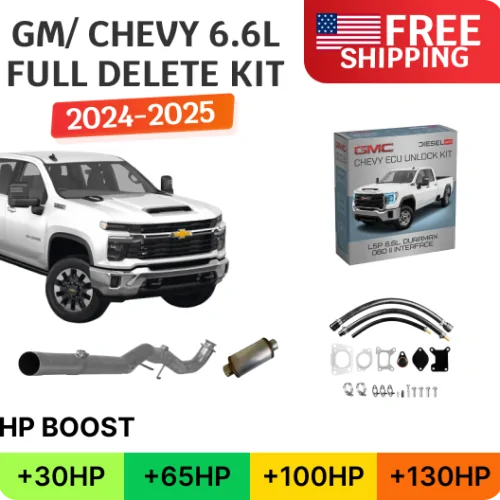
The best DPF delete kit for a 6.6 Duramax depends on the engine generation, because LBZ, LMM, LML, and L5P trucks all use different hardware and tuning solutions.
For 2011–2016 LML trucks, EFI Live AutoCal V3 remains one of the most proven platforms. It offers custom tuning support, multiple power levels, and broad compatibility with performance modifications.
For 2017–2023 L5P trucks, complete bundles that include the required tuning hardware and unlock solution are generally the preferred option. These trucks use a different ECM architecture than earlier Duramax generations, making proper tuning support critical.
For 2024–2025 L5P applications, tuning requirements are even more specific, so buyers should focus on complete packages that already include the necessary ECM procedures and matching calibration files.
The best approach is to select a bundle designed specifically for your Duramax generation rather than choosing based on horsepower claims alone.
Yes, an all-in-one delete kit can improve fuel economy on some off-road trucks. Many owners report higher MPG after DPF/DEF/EGR changes, often around 5-12% on steady highway use. The result depends on the tune level and tire size. Heavy towing can wipe out the fuel-use gain fast.
Yes, deleting DPF, DEF, or EGR equipment can affect or void factory warranty coverage. A dealer may deny related claims if the modification is linked to the failed part.
Warranty conditions are spelled out in the Diesel Bro Refund and Returns policy. Read these terms before installation and remember that these bundles are off-road parts.
Yes, experienced owners can install some kits at home, but many builds are better handled by a diesel shop. The work can involve exhaust removal, wiring checks, and tune setup.
A basic install may take up to 6-10 hours with the right space and tools. Rusted hardware or cab-and-chassis fitment can add more time.


competition use only. It is not legal to use on public roads or
emissions-regulated vehicles. Learn more: Legal Disclaimer
© 2026 DieselBro. All rights reserved.

Installation was mostly straightforward. The only reason for a lower rating was that the exhaust pressure sensor didn’t align with the bracket. I found a proper solution myself and secured it correctly.
I should have done this years ago. The process was simple and the truck now sounds and performs the way it should have from the factory. Fuel mileage improved by about 6 MPG.
Ordering was simple and support quickly resolved an initial file issue. Exhaust install was easy and the 5-inch option sounds great. My only complaint is not knowing exactly what each tune does.
This is exactly what the truck needed. It finally feels open and responsive like it should have from the factory.
As someone who needed extra explanation, the patience and clarity from support stood out. Now the truck runs aggressively and real-time monitoring adds confidence under the hood.