FASS Fuel Systems & Pumps
Showing all 16 results
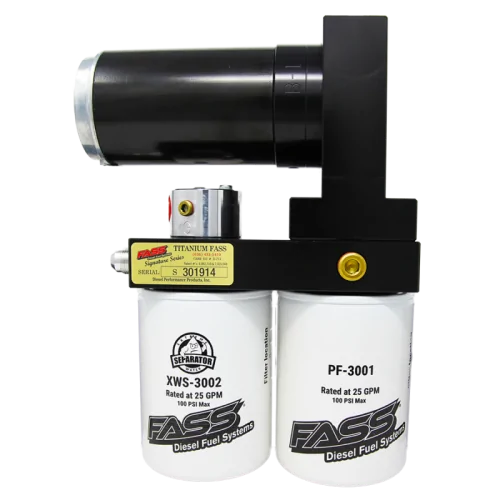
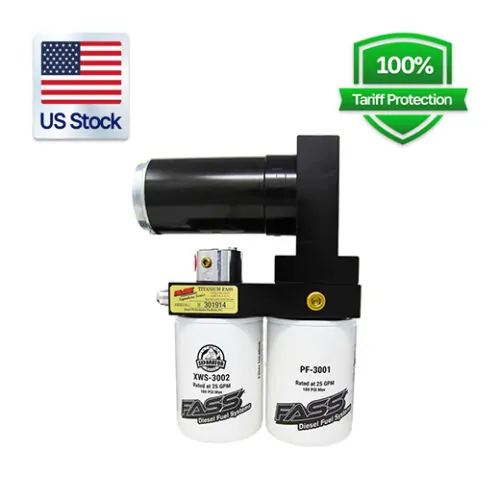
FASS Fuel Pump | Ford Powerstroke Diesel 6.7 2017-2023
Original price was: $1,098.$998Current price is: $998.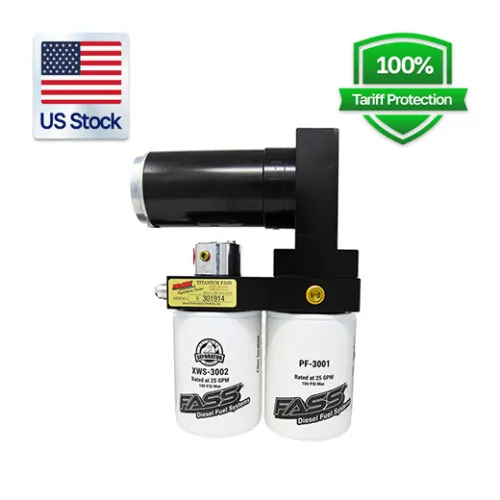
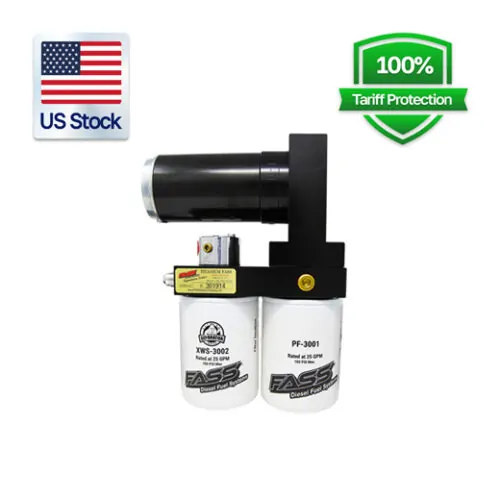
FASS Fuel Pump | Dodge Ram Cummins Diesel 6.7 2010-2012
Original price was: $999.$949Current price is: $949. FASS Fuel Pump | Dodge Ram Cummins Diesel 6.7 2013-2018
Original price was: $999.$949Current price is: $949. FASS Fuel Pump | Dodge Ram Cummins Diesel 6.7 2007-2009
Original price was: $999.$949Current price is: $949.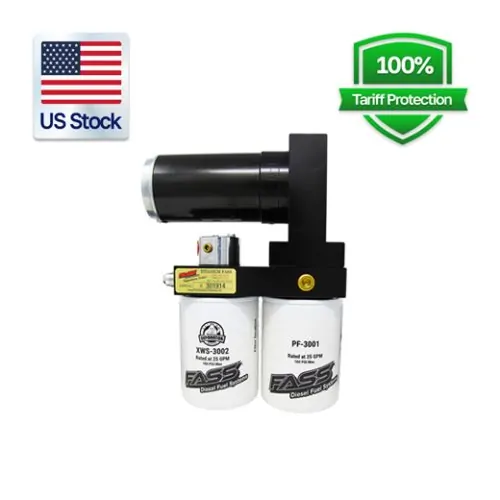
FASS Fuel Pump | Dodge Ram Cummins Diesel 6.7 2007-2018
Original price was: $999.$949Current price is: $949. FASS Fuel Pump | GM Duramax Diesel LMM 07-10
FASS Fuel Pumps & Components for Diesel Trucks
Diesel fuel pumps help keep clean fuel moving to the injection system at the pressure and volume the truck needs. Consistent fuel delivery becomes especially important under towing and high-load conditions.
This category covers FASS lift-pump setups, replacement filters, caps, and pressure-related parts. A pump is often chosen when the stock factory setup starts to feel limited, or when cleaner fuel delivery is needed before larger tuning and towing work.
Benefits and Technical Specifications
A good fuel setup is not only about more flow. It should remove air, catch debris, and feed the engine with steadier fluid under load. Key characteristics of fuel pumps:
- Filtration – cleaner fuel before it reaches injectors.
- Air removal – helps remove entrained air and vapor from diesel fuel before it reaches the injection system.
- Efficiency – steadier delivery can make the engine operate more consistently under load.
- Performance – supports towing, tuning, and high-performance use.
- Reliability – helps protect expensive injection parts.
- Flow rating – common systems are sized by gallons per hour.
A FASS diesel fuel pump will not create big horsepower by itself. It is more of a support part. On a truck with larger tuning or weak stock delivery, the right system can improve how safely the fuel side keeps up.
Key Components Included in a FASS System
A complete FASS setup may include the pump, filters, brackets, wiring, hoses, and fittings. Product pages can vary, so check each listing before ordering. Here’s what a fuel pump package usually looks like:
- Pump assembly. Moves fuel from the tank toward the engine. This is the core device in the setup.
- Fuel filter. Catches fine debris before the injection system sees it.
- Water separator. Helps remove moisture from diesel fuel.
- Mounting bracket. Places the unit under the truck in the correct position.
- Fuel lines and fittings. Connect the pump to the tank and engine-side route.
- Wiring harness. Supplies power to the unit and keeps the install tidy.
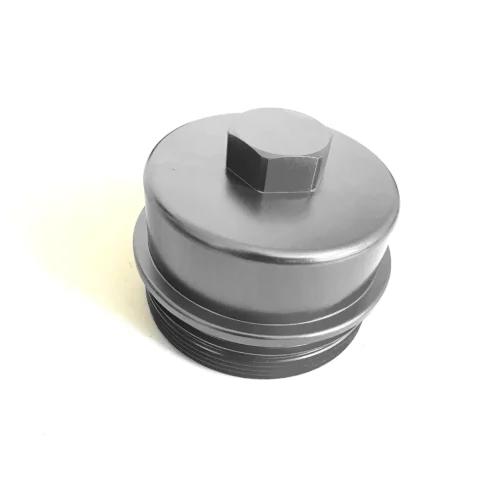
- Billet fuel filter caps and related components. Available for selected Ford Powerstroke applications.
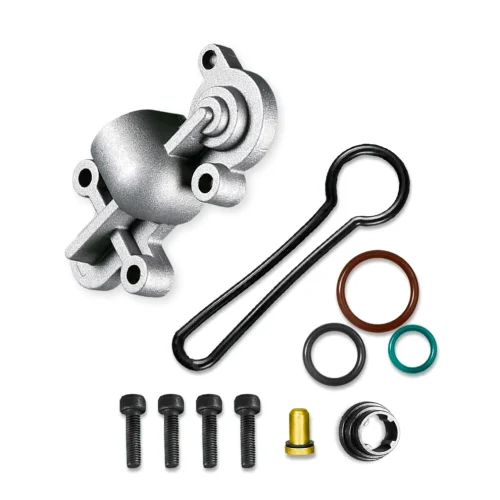
- Fuel Pressure Regulator Upgrade Kits. Available for selected 6.0L Powerstroke applications to help maintain more consistent fuel pressure and support injector performance.
Most complete systems in this category are based on the FASS Titanium Signature Series platform, which combines lift-pump, filtration, and air-separation functions in a single assembly. Other items are service parts, not full systems.
Vehicle Fitment
When choosing a fuel pump, use the product page as the final fitment check. Diesel Bro lists FASS fuel products for these platforms:
- Ford Powerstroke – 6.0L (2003–2007), 6.4L (2008–2010), and 6.7L (2011–2023).
- Ram Cummins – 6.7L (2007.5–2020).
- GM / Chevy Duramax – 6.6L LML (2011–2016) and 6.6L L5P (2017–2019).
- Nissan Titan XD Cummins – 5.0L (2016–2019).
Fitment can change by year, cab layout, and fuel-line routing. Two trucks with the same engine can still need different brackets or fittings.
Selecting the Right Diesel FASS Fuel Pump
- Match the pickup year, engine, and body style first.
- Choose the flow rating by power goal, not by the largest number.
- Check whether the listing is a full pump system or a replacement part.
- Review warranty notes, filter service needs, and install hardware.
The best setup is the one that matches the truck’s fuel demand and use case. For help with sizing, Diesel Bro support can compare the FASS pump options before ordering.
FAQs
Many FASS owners replace filters between 15,000 and 30,000 miles depending on fuel quality and operating conditions. Change them sooner if the truck loses power, starts hard, or shows pressure issues. Filter service is cheap compared with injector or pump damage.
Choose the GPH rating by horsepower goal and fuel demand. 100 GPH systems are commonly used on stock and moderately modified diesel trucks.
Higher-flow setups make sense on vehicles with larger injectors, aggressive tuning, or real fuel demand. On a mostly stock fuel system, selecting the correct flow rating is more important than choosing the largest available pump.
No, a FASS system cannot guarantee CP4 failure prevention. It helps by improving fuel filtration, reducing aeration, and maintaining more consistent fuel supply to the CP4.
The CP4 still depends on fuel quality, lubrication, mileage, and overall condition. A FASS setup reduces one risk area, but it is not a shield against every failure.
A FASS fuel pump should not wipe out the whole factory warranty by itself. A dealer may question a claim if the fuel system is linked to the repair.
Keep receipts, install records, and service dates. Clean installation matters here because poor wiring or leaking fittings can create avoidable warranty arguments.
A FASS pump is worth it when the vehicle needs cleaner fuel, steadier pressure, or better support for towing and tuning. It is especially useful on trucks where fuel delivery is already a weak point.
For a stock daily truck with no pressure issues, the value is more about protection than power. For a tuned diesel, it can become a smarter support upgrade.
A FASS fuel system usually does not add horsepower by itself. It helps the engine maintain fuel supply when demand rises.
On a tuned vehicle, steady fuel pressure can help the setup hold power more safely. The actual HP change depends on tuning, injectors, turbo setup, and engine condition.

Sorry, no reviews match your current selections

competition use only. It is not legal to use on public roads or
emissions-regulated vehicles. Learn more: Legal Disclaimer
© 2026 DieselBro. All rights reserved.
