Cold Air Intakes
Showing 1–16 of 24 results
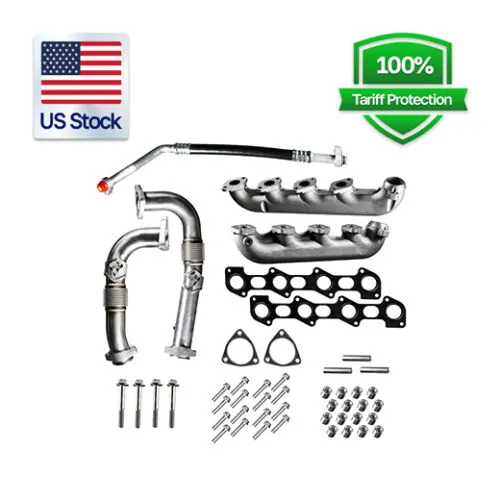
Exhaust Manifold Kit w/ Up-pipe 2008-2010 Ford Powerstroke 6.4L
Original price was: $1,359.$1,199Current price is: $1,199.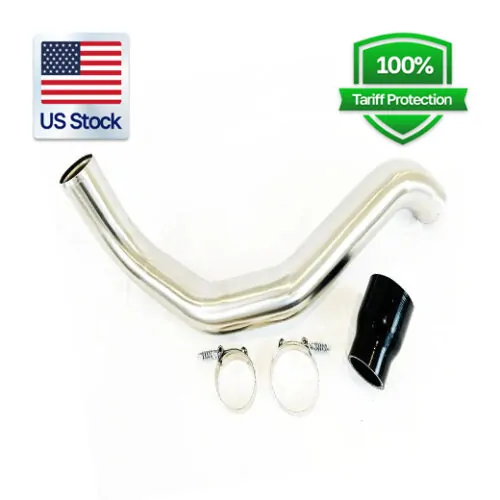
Hot Side Intercooler Charge Pipe Kit 2007-2010 GM Duramax 6.6L
Original price was: $297.$220Current price is: $220.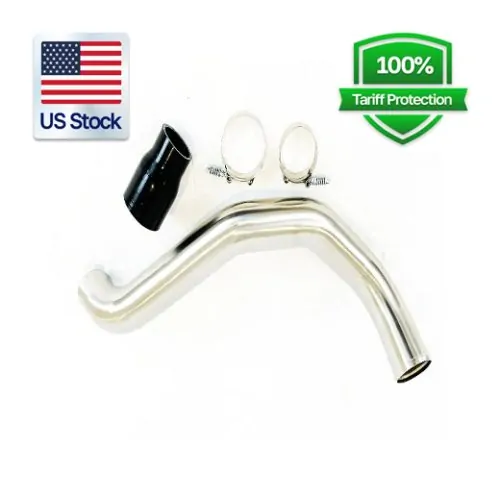
Hot Side Intercooler Charge Pipe Kit 2001-2010 GM Duramax 6.6L
Original price was: $297.$220Current price is: $220.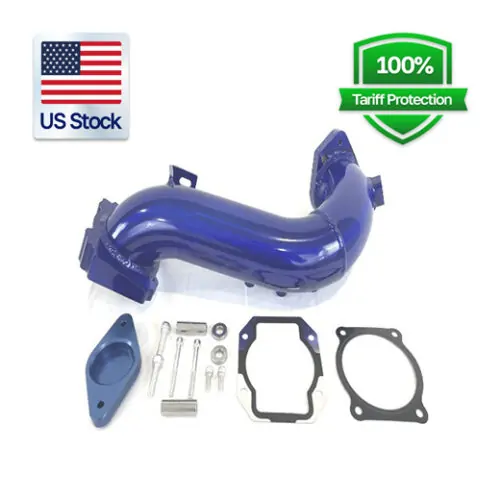
Intake Bridge 2015.5-2016 GM Duramax 6.6L
Original price was: $440.$325Current price is: $325.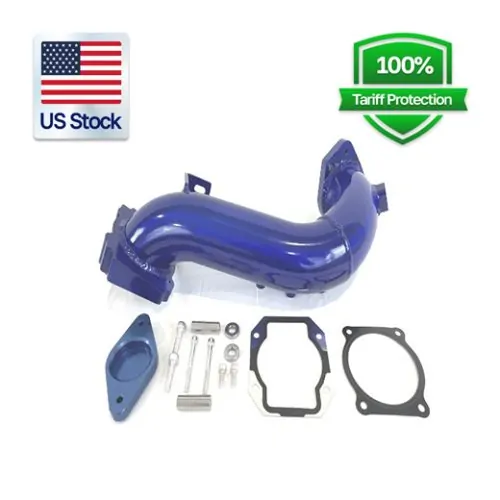
Intake Bridge 2011-2016 GM Duramax 6.6L
Original price was: $440.$327Current price is: $327.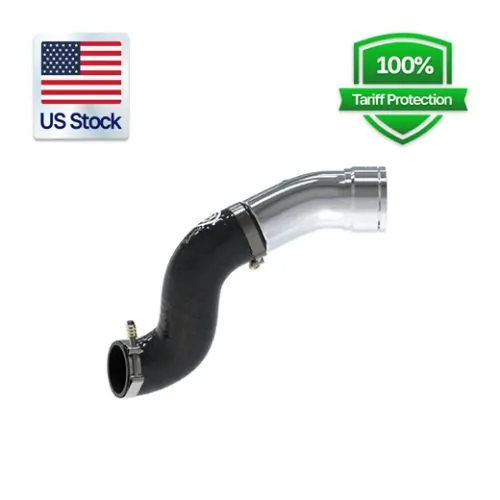
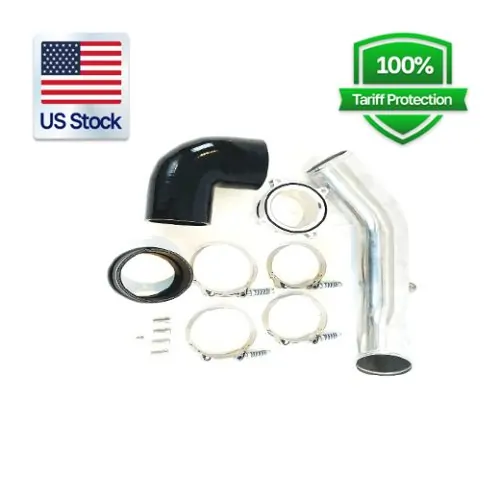
Ford Powerstroke 6.7L Cold Side Intercooler Charge Pipe Kit 2017-2019
Original price was: $330.$275Current price is: $275.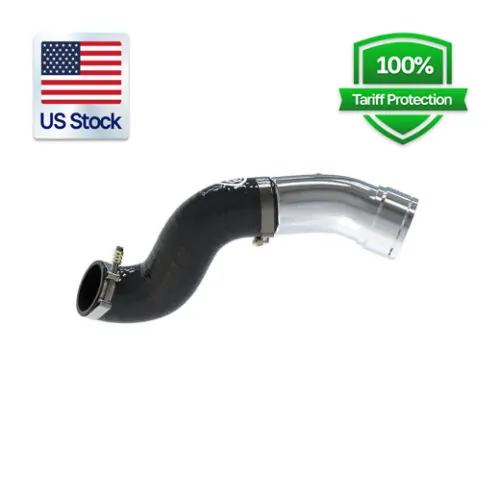
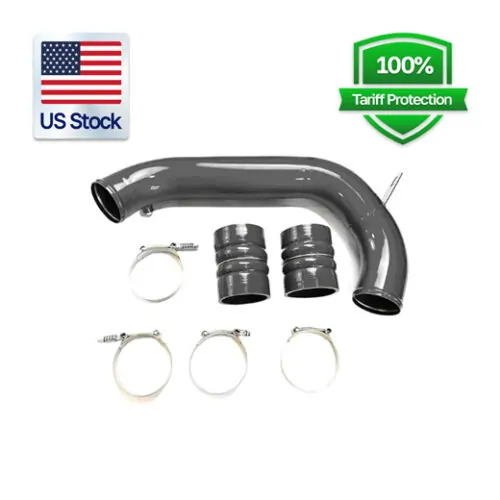
Cold Side Intercooler Charge Pipe Kit 2008-2010 Ford Powerstroke 6.4L
Original price was: $220.$165Current price is: $165.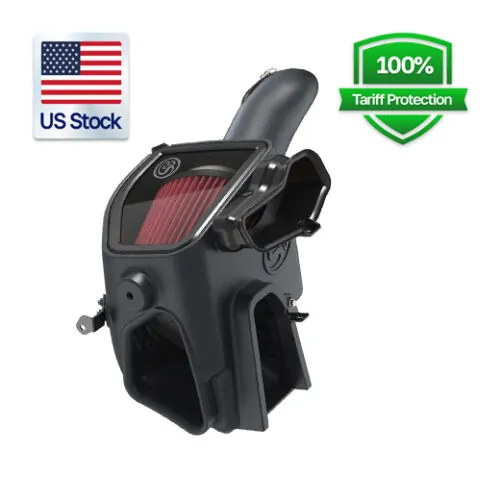
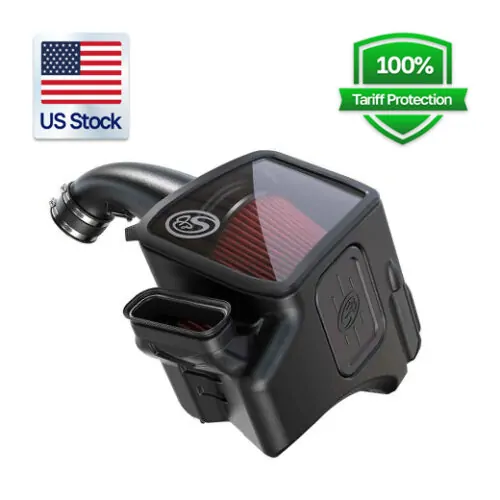
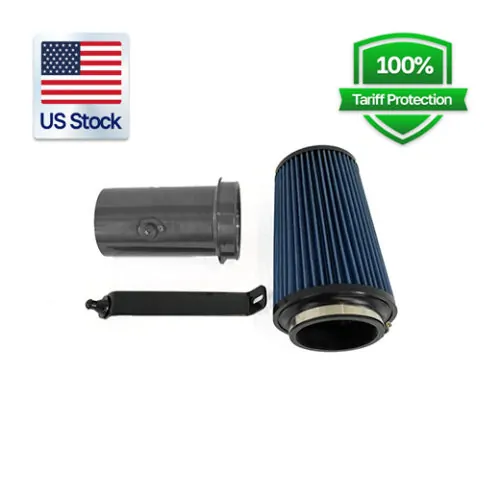
Cold Air Intake 2008-2010 Ford Powerstroke 6.4L
Original price was: $198.$121Current price is: $121.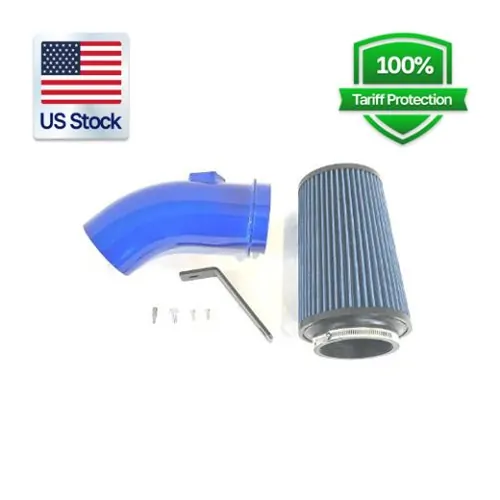
Cold Air Intake 2011-2015 Ford Powerstroke 6.7L
Original price was: $193.$139Current price is: $139.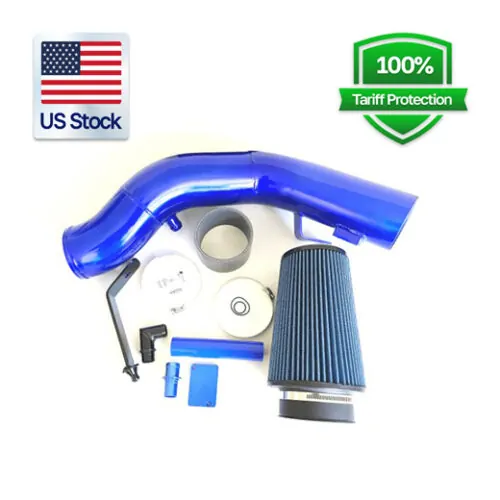
Cold Air Intake 2003-2007 Ford Powerstroke 6.0L
Original price was: $275.$255Current price is: $255.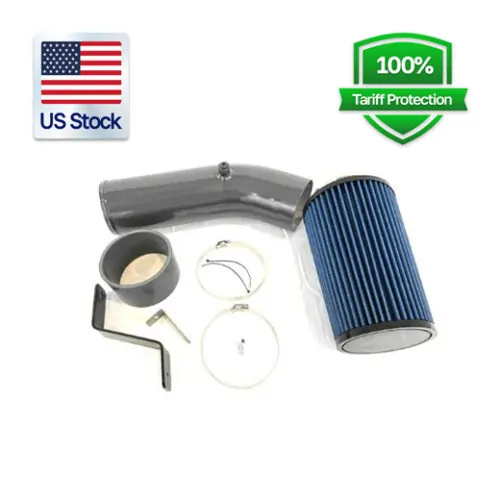
Cold Air Intake 1999.5-2003 Ford Powerstroke 7.3L
Original price was: $189.$149Current price is: $149.Cold Air Intakes For Diesel Truck
Cold air intakes give the engine a less cramped way to pull in cooler air. On a diesel truck, that matters most when the turbo is working hard, the truck is towing, or the stock box is old and dirty.
In the performance parts industry, Diesel Bro’s cold air intake category is not only cone filters. The store also has intake bridges, charge pipes, clamps, couplers, and other accessories around the intake side. Some parts are quick replacements. Others remove weak points in the stock intake route or support vehicle upgrades.
Benefits and Technical Specifications
One of the main benefits of a diesel cold air intake setup is that the engine can breathe with less effort. The real change depends on the vehicle, the filter, and how well the pipe route seals after install. Below are the improvements that Diesel Bro customers usually report:
- Horsepower. Many cold intake setups add 5-15 HP, depending on the platform, stock restriction, and supporting modifications.
- Torque. Steadier pull when the turbo is under load.
- Airflow. Less restriction before the turbo inlet, which may increase air delivery.
- Boost. Cleaner air delivery may help the response feel sharper.
- Fuel efficiency. Truck owners note up to 3-8% improvement in fuel economy on steady highway routes (results vary by driving conditions and vehicle setup).
- Sound. A deeper induction note, especially with an open-box design.
Good filtration is still the point, because an intake maximizes airflow only when it keeps heat and dust under control. A quality intake system should seal well, hold the sensor in the right place, and keep intake temperatures under control.
Key Components Included in Cold Air Intakes
Products in this category range from complete cold air intake systems to intake bridges, intercooler charge pipes, and other airflow-support components designed for specific diesel platforms:
- Air filter. Catches dust before it reaches the turbo. A large filter helps only when the media and seal are good.
- Intake tube. Carries air toward the turbo or bridge. Smooth bends help the route stay effective.
- Air box or heat shield. Keeps hot engine-bay air away from the filter area.
- Clamps and couplers. Hold the joints tight. Weak couplers can leak under boost.
- Intake bridge. Improves air delivery on selected Duramax layouts.
- Charge pipe. Replaces a restrictive or failure-prone factory pipe on some platforms.
- Coolant Filtration System. Helps remove casting sand, debris, and contaminants from the cooling system on selected Powerstroke applications.
Some listings also include brackets, sensor fittings, or small hardware. Do not throw those components aside during installation, as a missing clamp can extend the whole process.
Vehicle Fitment
Diesel Bro lists intake and charge-air products for these popular truck models and engine ranges:
- Ford Powerstroke – 7.3L (1999.5–2003), 6.0L (2003–2007), 6.4L (2008–2010), and 6.7L (2011–2022).
- Ram Cummins – 6.7L (2007-2024) applications with S&B cold air intake systems.
- GM / Chevy Duramax – selected 6.6L LLY, LBZ, LMM, and LML applications, including S&B cold air intake systems, intake bridges, and intercooler charge-pipe upgrades.
Fitment goes beyond the engine size. Sensor position, year range, and engine-bay space can also impact the choice. Similar-looking components may use different mounting points, sensor positions, year ranges, and engine-bay clearance. Therefore, a pipe that looks close in a photo can still miss the mount.
Tips for Choosing a Cold Air Intake for Your Truck
- Match the year, engine, and intake route first.
- Decide whether you need a filter, bridge, charge pipe, or full intake system.
- Pick an effective option for towing, daily road use, or off-road work.
- Review shipping and delivery notes before ordering larger automotive parts.
A truck cold air intake should fit how the truck is used. Diesel Bro support can help compare options before the next upgrade.
FAQ
Cold air intakes improve diesel performance by reducing restriction before the turbo. The engine gets air with less effort, so boost response can feel cleaner under load.
The biggest gains usually show up when the stock box is dirty, cramped, or heat-soaked. On a healthy truck, the intake works best as one piece of the whole air path.
Many S&B systems are independently tested to flow significantly more air than stock, with some diesel applications showing up to 50% more airflow than stock. The actual airflow increase depends on the S&B SKU, filter type, engine platform, and test data for that specific kit.
It is important to use the airflow figure listed for the exact S&B part, not a category average. Ford Powerstroke, GM Duramax, and Ram Cummins systems can have different test results because each intake route and airbox layout is different.
Yes, most cold air intake setups can be installed without a tuner. They usually keep factory sensor locations and work with the stock calibration.
A tuner may help when the intake is part of a larger performance build. For a basic intake swap, sealing and fitment matter more than software.
Yes, most of the listed intakes work well with factory electronics when installed correctly. The sensor still needs to sit in the right place and face the right direction.
At the installation step, the sensor area needs a light touch. If a plug or coupler does not seat cleanly, stop and check the angle. A poorly seated sensor can affect drivability, trigger warning lights, or result in inaccurate airflow readings.
A cold air intake should not void the whole factory warranty by itself. A dealer may still question a claim if the intake is linked to the failure.
Keep the stock intake if warranty coverage is important. Also, make sure the filter is clean, because dust damage is much harder to explain than a normal intake upgrade.
A cold air intake may add about 5-15 HP on many diesel trucks. Some drivers feel better throttle response before they see peak horsepower.
Factors like filter condition, intake temperatures, turbo health, exhaust setup, and tuning can all impact the result. The intake supports the air side, but it will not fix weak fuel delivery or worn engine parts.


competition use only. It is not legal to use on public roads or
emissions-regulated vehicles. Learn more: Legal Disclaimer
© 2026 DieselBro. All rights reserved.

The install itself went fine, though I somehow missed the instructions email initially. I reached out with a few questions and received clear answers quickly, which made the rest of the process much easier.
Fitment was great, but payment processing gave me trouble and parts arrived in multiple shipments. Written instructions would have been helpful, as getting in touch with support required some back-and-forth.
The install was simple and the sound is excellent. Everything feels like the engine finally breathes correctly.
Installation was easy and the results are outstanding. Running the +180 hp tune and averaging around 18.5 MPG.