DPF Delete Pipes
Showing 1–16 of 17 results
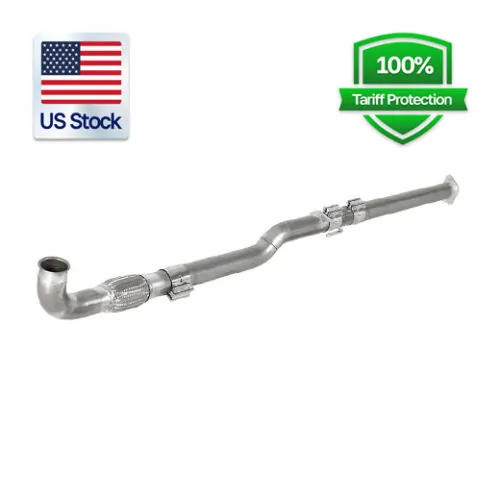
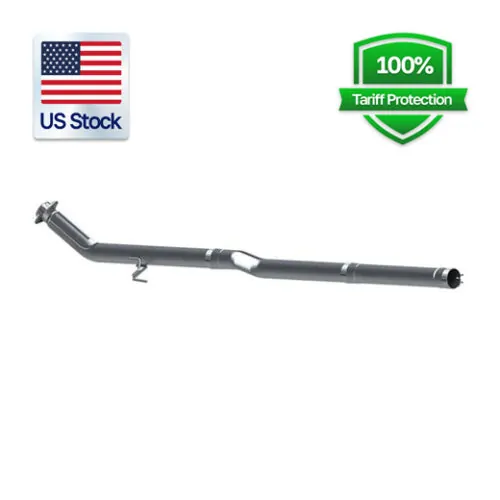
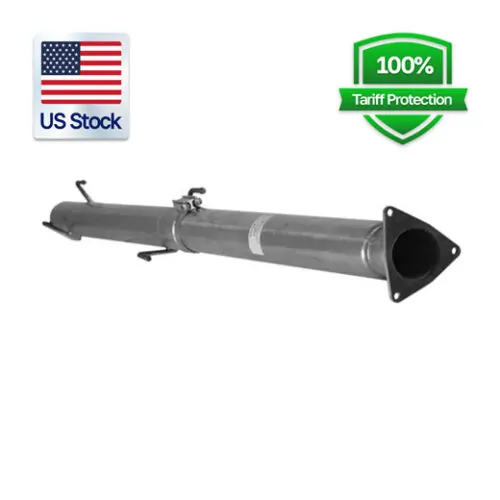
Cat & DPF Delete Pipe | Ram EcoDiesel 3.0L | 2020-2024
Original price was: $669.$589Current price is: $589.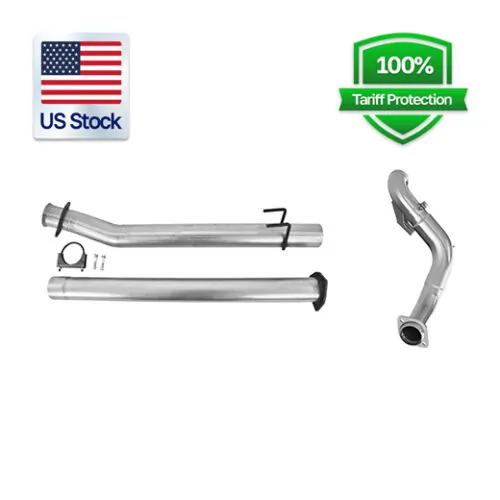
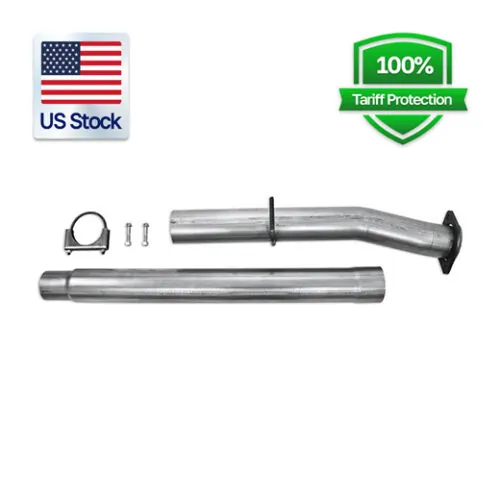
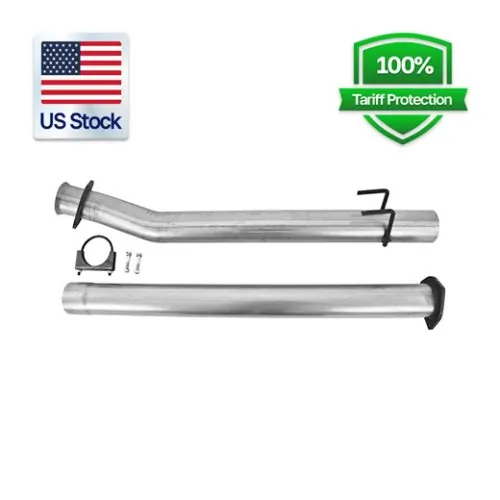
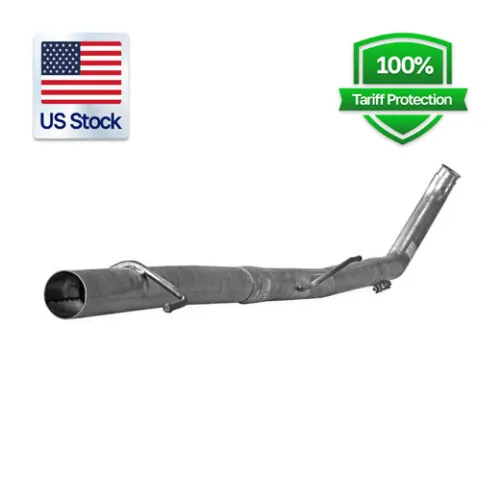
Ford Powerstroke 3.0L – Cat & DPF Delete Pipe (2018-2020)
Original price was: $490.$455Current price is: $455.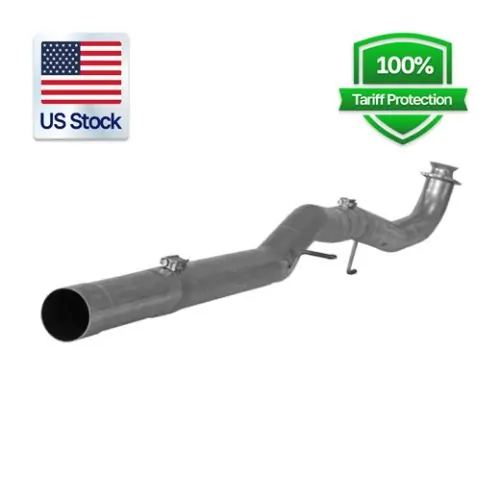
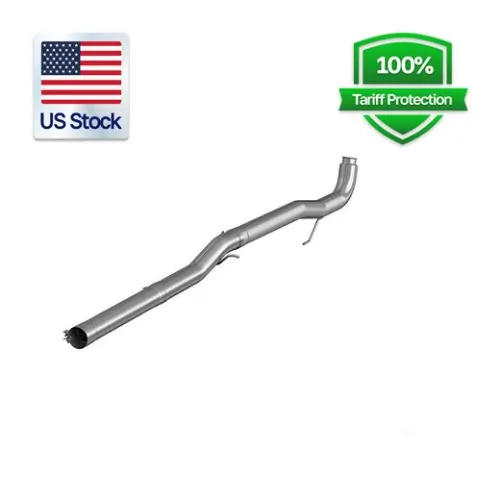
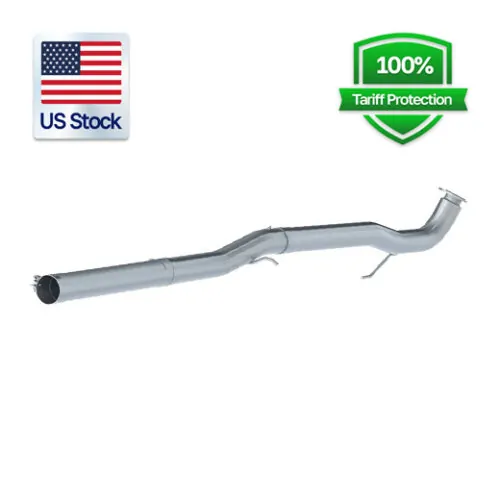
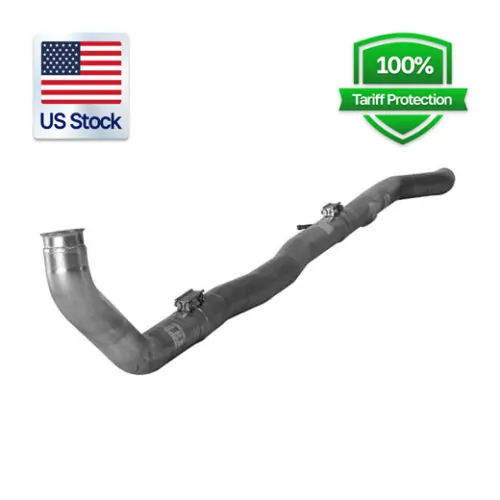
CAT & DPF Delete Pipe 2014-2018 Jeep Grand Cherokee Ecodiesel 3.0L
Original price was: $579.$389Current price is: $389.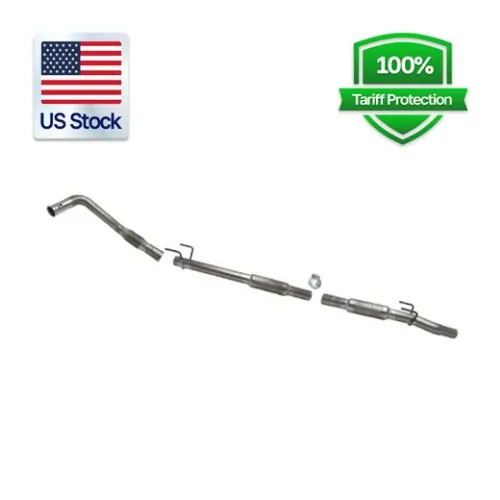
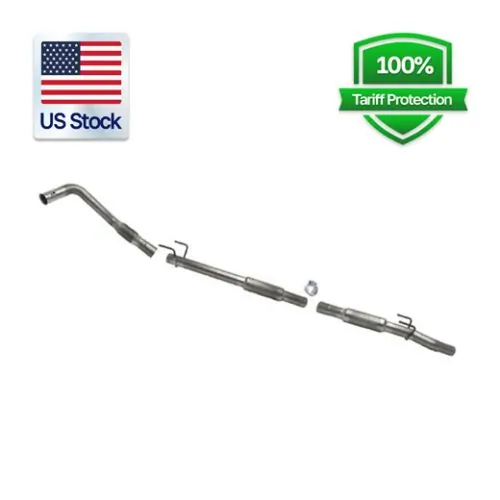
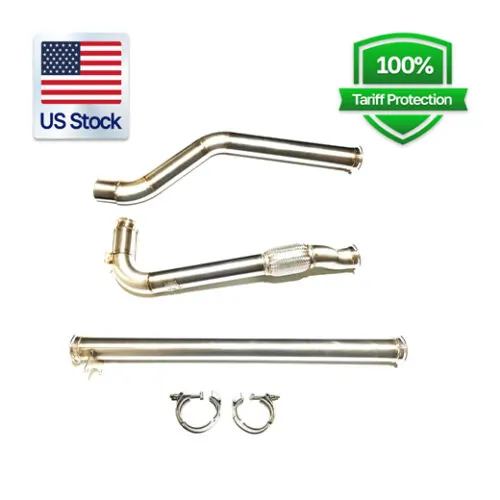
Diesel DPF & CAT Delete Pipes
DPF delete pipes replace the restricted factory filter section on off-road diesel builds and give the exhaust a direct route after the DPF is removed. These pipes are used when stock filters or related aftertreatment systems are removed for race, farm, or closed-course use.
Diesel Bro buyers usually choose pipes as part of a full delete setup. Once the DPF or CAT section is removed, the pipe should be paired with the right ECU software for the changed hardware. Inside the catalog of our diesel auto shop, truck owners can find all the necessary components for the delete setup.
Benefits and Technical Specifications
A freer exhaust path can help the turbo breathe with less back pressure. It can also improve performance when the pipe, tune, and truck condition line up.
- Flow – smoother exit path after the DPF section is removed.
- Turbo response – reduced exhaust restriction may help the turbo reach target boost more efficiently.
- Horsepower – performance gains are possible up to 5-15% when combined with proper tuning and supporting modifications.
- Efficiency – possible 5-10% fuel change on steady routes.
- Reliability – removes a restriction point that can become problematic as factory aftertreatment components age.
- Sound – a deeper tone with a full exhaust setup.
Some pipes use stainless or aluminized steel. Certain builds also involve catalytic converters, depending on the model year and factory layout. The catalyst section is replaced only where the listing supports it.
Wide Selection of DPF Delete Pipe Components
Diesel Bro carries straight replacement sections, CAT & DPF combinations, and race pipe designs. A diesel delete pipe can be one piece or a multi-section kit. Some listings include clamps, hangers, or adapters. Others reuse factory hardware. Key features of delete pipes to watch:
- Material. Stainless steel handles corrosion better. Aluminized steel is a lower-cost option for many exhaust parts.
- Diameter. Pipe diameter varies by application and may range from 3-inch to 4-inch, while some Duramax downpipe configurations use a 3.5-inch design.
- Design. Some pipes remove the DPF only. Others handle CAT and DPF deletes in the same section.
- Fitment. Bends, hanger points, and flanges must match the chassis. Small year changes can change the layout.
- Surface. Smooth internal surfaces help maintain consistent exhaust flow and simplify installation.
The difference between listings is usually coverage, not just size. Fitment notes on each product page explain whether the pipe replaces only the DPF section or both the CAT and DPF assemblies.
Vehicle Fitment
A Ford Powerstroke pipe may look close to a Ram Cummins part in photos, but the bends and hanger points can be different. Chevy Duramax listings have their own route, too. Diesel Bro lists pipes for these vehicles:
- Ford Powerstroke – 3.0L (2018–2020), 6.4L (2008–2010), and 6.7L (2011–2025).
- Ram Cummins – 6.7L (2007.5–2024), including selected Pickup and Cab & Chassis applications.
- Ram EcoDiesel – 3.0L (2014–2024).
- Jeep EcoDiesel – 3.0L Grand Cherokee (2014–2018), Wrangler (2020–2023), and Gladiator (2020–2023).
- GM Duramax – 6.6L LML (2011–2016) and 6.6L L5P (2017–2025).
- Nissan Titan XD Cummins – 5.0L (2016–2018).
- Mercedes Sprinter – 3.0L (2010–2018).
If the job only covers the catalyst section, use a CAT delete pipe only when the listing confirms that route for your truck.
How to Choose the DPF Delete Pipe
- Check the truck year and engine first.
- Match the wheelbase and body style to the listing.
- Choose the pipe section shown for that exact application.
- See what the kit in question includes.
Diesel Bro support can help if the fitment notes or exhaust route are unclear. Contact the diesel auto shop over the phone (877 899-7875) or by email (info@dieselbro.com) for guidance.
FAQs
An exhaust pipe affects engine performance by changing how easily spent gases leave the system. Less restriction can help the turbo spool cleaner and reduce back pressure.
The pipe helps most when the rest of the setup is right. Tune quality matters first, while pipe diameter, intake airflow, and engine health decide how much of the change the driver will feel.
Use the size shown on the listing for your truck. A 3-inch pipe can make sense where space is tight. A 4-inch pipe is more common on many pickup builds.
A larger diameter is not always the better choice. If the bends or hanger points do not match the truck, the install can require extra cutting or rework.
Yes, most newer diesel trucks need a tuner after a DPF delete pipe install. The stock ECU still expects the old filter system to be there.
Without the right file, the truck may show codes or reduce power. Ford Powerstroke, Ram Cummins, and GM Duramax platforms are usually strict about this.
Yes, installing a delete pipe can affect the vehicle warranty. Aftermarket off-road exhaust parts may give the dealer or manufacturer grounds to deny related claims.
The safest move is to check warranty terms before ordering. Diesel Bro also states that these products are for off-road and competition use only.
Installation difficulty depends on rust, access, and the truck layout. A clean newer truck can be straightforward, while an older truck with seized clamps can take much longer.
Expect more work if the factory pipe is stuck, the sensors are tight, or the truck needs a lift. Basic hand tools may be enough for some setups, but shop access makes the job easier.
A DPF delete pipe usually replaces the DPF section of the exhaust. A race pipe is a broader term and may replace more of the factory exhaust route.
On some product pages, the terms overlap. The safe way to compare them is by fitment, included hardware, and which sections of the aftertreatment system the pipe replaces.
Yes, additional tuning may be needed if the current file does not already match the deleted hardware. Without the correct calibration, the ECU can keep looking for removed parts, trigger fault codes, put the truck into reduced-power mode, or cause drivability issues.
If the truck already has a proper off-road delete file, a separate tune may not be needed. Confirm this before driving, especially on newer models with tighter emissions checks.


competition use only. It is not legal to use on public roads or
emissions-regulated vehicles. Learn more: Legal Disclaimer
© 2026 DieselBro. All rights reserved.

Solid components throughout.
Support stayed engaged and followed up consistently. Performance gains were immediate and all emissions-related issues disappeared.
Exactly what I needed.
I would have rated this higher if provisions were included for retaining factory EGT sensors.
Everything lined up properly and installation didn’t require any special tricks.