EGR Delete Kits
Showing 1–16 of 32 results
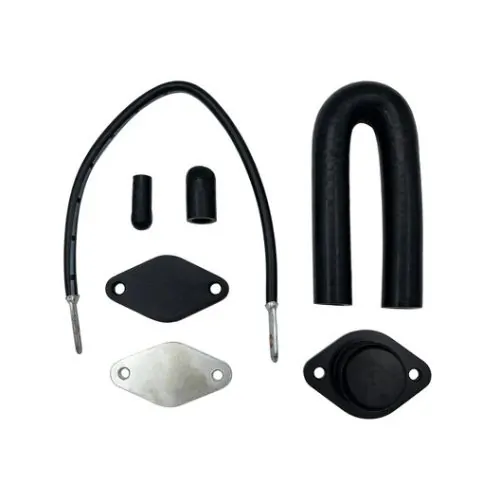
EGR Delete Kit | GM/Chevy Duramax 3.0L LM2 | 2020–2022
Original price was: $315.$268Current price is: $268.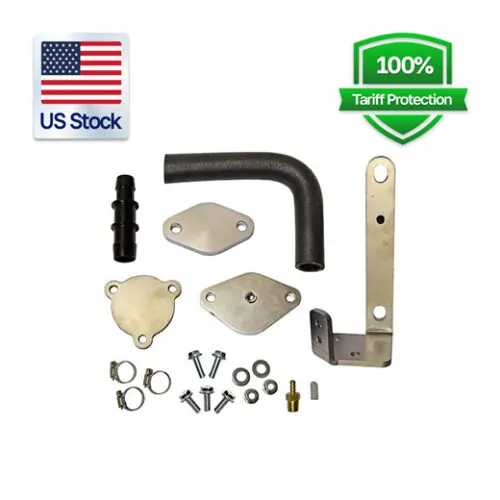
EGR & Cooler Delete Kit 2014-2019 Ram & Jeep Ecodiesel 3.0L
Original price was: $239.$199Current price is: $199.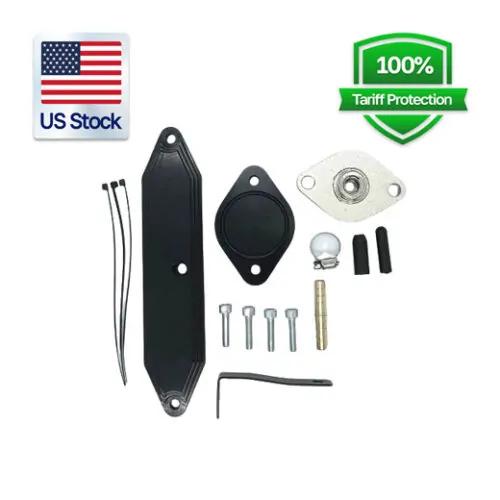
EGR & Cooler Delete Kit | Ford Powerstroke 6.7L | 2023-2025
Original price was: $188.$179Current price is: $179.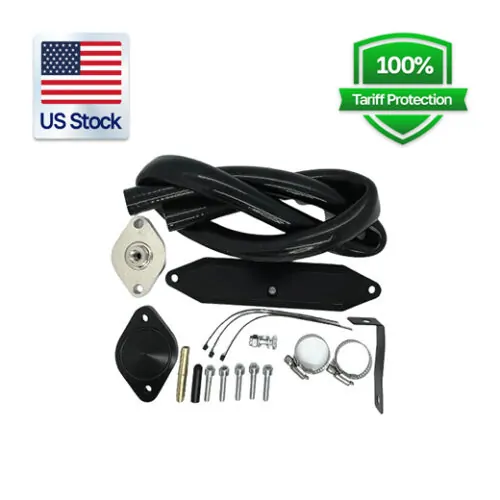
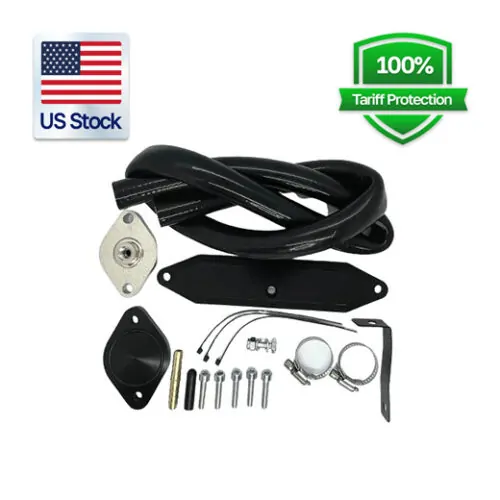
EGR & Cooler Delete Kit Ford Powerstroke 6.7L 2017-2019
Original price was: $189.$179Current price is: $179. EGR & Cooler Delete Kit Ford Powerstroke 6.7L 2017-2022
Original price was: $189.$179Current price is: $179. EGR Valve & Cooler Delete Kit 2011-2014 Ford Powerstroke 6.7L
Original price was: $299.$179Current price is: $179.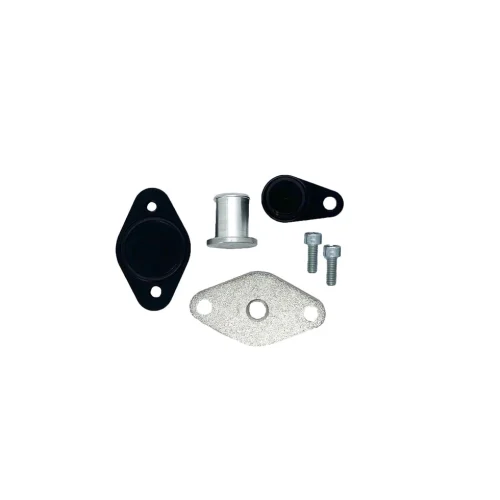
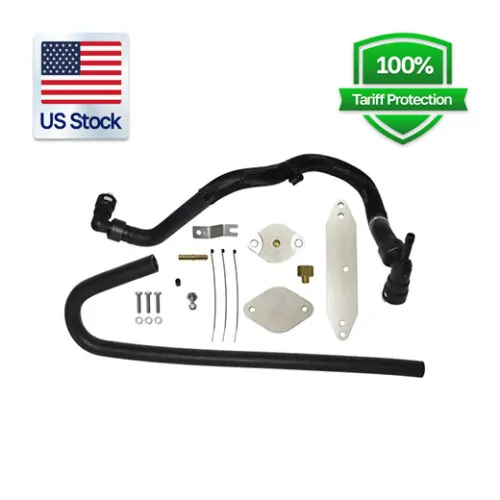
EGR Delete Kit| Ford Powerstroke Diesel 6.7 2015-2016
Original price was: $249.$199Current price is: $199. EGR Valve & Cooler Delete Kit 2011-2014 & 2017-2019 Ford Powerstroke 6.7L
Original price was: $299.$179Current price is: $179.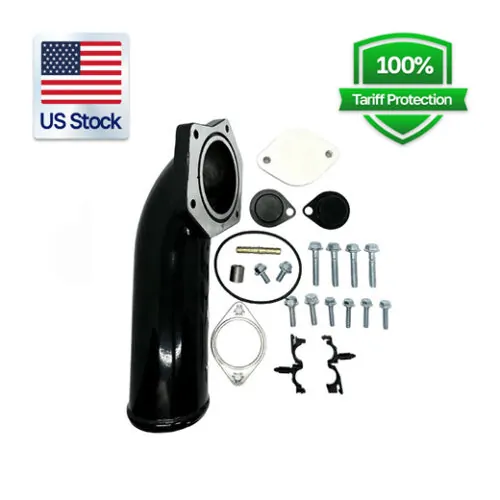
EGR & Cooler Delete Kit 2008-2010 Ford Powerstroke 6.4L
Original price was: $252.$239Current price is: $239.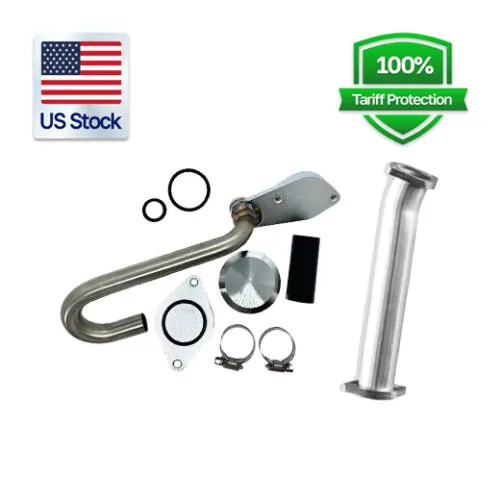
Ford Powerstroke 6.0L EGR & Cooler Delete Kit w/ Up-pipe 2003-2007
Original price was: $248.$219Current price is: $219.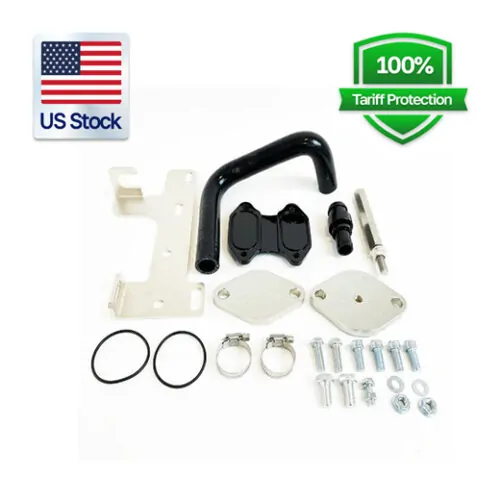
EGR Delete | Dodge Ram Cummins Diesel 6.7 2019-2024
Original price was: $289.$199Current price is: $199.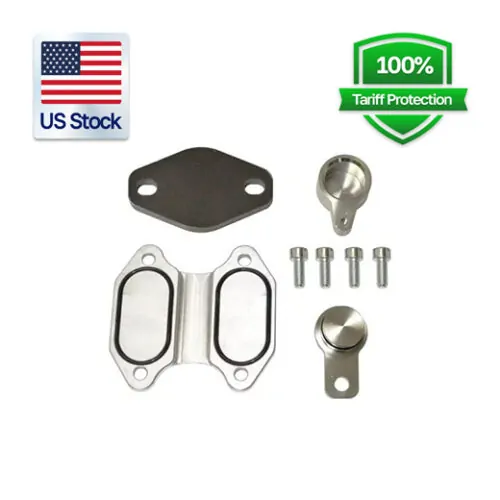
Cab & Chassis EGR & Cooler Delete Kit 2019-2021 Ram Cummins 6.7L
Original price was: $229.$199Current price is: $199. EGR Delete | Dodge Ram Cummins Diesel 6.7 | 2010-2024
Original price was: $289.$199Current price is: $199.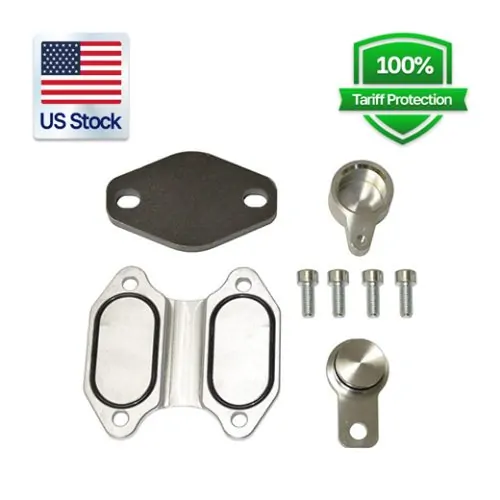
Diesel EGR Delete & Performance Kits
EGR delete kits remove or block the factory exhaust-gas recirculation setup on off-road diesel builds. The job is to stop hot soot-filled gases from going back into the intake. That capability matters on trucks that tow, idle a lot, or work under load. Less soot in the intake can help the air path stay cleaner.
A basic kit blocks or removes the valve-side hardware. An EGR and cooler delete kit goes further by removing the cooler section and rerouting coolant away from that circuit.
Benefits and Technical Specifications
The main advantages come from less heat, less soot, and simpler airflow. On older diesels, the upgrade can make the intake side easier to keep clean. The possible benefits below are based on owner feedback (actual numbers depend on the engine, tune, and condition of the pickup):
- Airflow – improves the intake path after deleting factory recirculation.
- Horsepower – potential 5-15% gain with matching tuning.
- Boost – steadier response under towing or heavy load.
- Fuel use – owner reports show about a 5-10% improvement in fuel economy on steady routes.
- Heat control – less intake heat from recirculated exhaust.
- Service access – fewer tubes around the engine bay.
Most kits use steel or aluminum hardware, depending on the application. Before install, it’s best to check the plate surface and the coolant reroute area by hand.
Wide Selection EGR Delete Components
A Diesel EGR delete kit may come alone or as part of an all in one bundle. Some listings include full hardware. Others cover one section of the factory systems. Key components inside the kit include:
- EGR valve delete – replace or block the factory EGR valve assembly.
- EGR cooler removal – removes the factory cooler and eliminates the exhaust-gas cooling circuit.
- EGR feed tube/pipe – carries exhaust gas to the valve area.
- EGR block-off plates – seal open ports after removal.
- Coolant reroute fittings – redirect flow after cooler removal.
- Coolant lines – replace or bypass factory hoses.
Check the hardware before the first step of the process. Thread size, hose routing, and component shape can change by year. Basic quality standards matter here because one small coolant leak can undo the whole install.
Vehicle Fitment
Buyers should verify the listing details before ordering an EGR delete, especially if the truck has old modifications already fitted. At Diesel Bro, you can find EGR parts for several vehicles, but the engine code is usually the detail that decides fitment. Technical insights on each product page should guide you during the selection process.
- Ford Powerstroke – 3.0L (2018–2020), 6.0L (2003–2007), 6.4L (2008–2010), 6.7L (2011–2025).
- Ram Cummins – 6.7L (2007.5–2024), including Pickup and Cab & Chassis applications on supported model years.
- Ram & Jeep EcoDiesel – 3.0L EcoDiesel (2014–2019).
- GM / Chevy Duramax – 2.8L LWN (2016–2019), 3.0L LM2 (2020–2022), 6.6L LBZ (2006–2007), 6.6L LMM (2007.5–2010), 6.6L LML (2011–2016), and 6.6L L5P (2017–2025).
How to Choose the Right EGR Delete Kit
- Start with the exact year and engine code.
- Confirm the body style before choosing a kit.
- Decide between valve-only and cooler-delete coverage.
- Check whether the setup also needs tuners or software.
- Review off-road rules before buying or installing parts.
Diesel Bro support can help with technical fitment before purchase if the flow layout is unclear. You can call the store representatives at 877 899-7875 or email info@dieselbro.com.
FAQs
An EGR delete can help an off-road diesel engine if the kit, tune, and truck condition all line up. The intake no longer sees the same hot soot from the exhaust side, so buildup inside the air path is usually easier to control.
Still, the result depends on the work behind it. Poor sealing can create leaks. The wrong file can bring codes back. A clean setup comes from proper fitment and calibration.
Yes, trucks need a tune after a diesel EGR delete. The ECU still expects the valve to move and report normal flow.
If the software is left stock, the truck may still look for normal EGR movement and flow. That can lead to fault codes or limp mode. Newer Powerstroke, Cummins, Duramax, and EcoDiesel platforms are usually less forgiving than older trucks. For Duramax platforms such as LBZ, LMM, LML, or L5P, always confirm year-specific fitment and tuning requirements before installation.
An EGR delete can support engine life on an off-road diesel build when the kit, tune, and truck condition all line up. The intake gets less soot from recirculated exhaust, so the air path is usually easier to keep clean.
Engine life still depends on the basics. Oil service, coolant health, turbo condition, injector wear, and tune level all matter. Removing the EGR circuit does not fix a weak engine by itself.
An EGR delete should not cause black smoke by itself. Smoke usually points to a fuel problem, weak boost, or not enough air. Check for boost leaks first, then look at the sensor plugs and loaded file. A hot tune or weak turbo can make the smoke worse.
Fuel economy and horsepower can improve after an EGR delete, but results vary by truck. Based on owner feedback, many off-road builds see about 5-10% better fuel economy and 5-15% more power when the kit is paired with proper tuning.
Those benefits are not fixed. Heavy towing, large tires, old injectors, or aggressive files can change the result. Compare the same route and load before judging the difference.


competition use only. It is not legal to use on public roads or
emissions-regulated vehicles. Learn more: Legal Disclaimer
© 2026 DieselBro. All rights reserved.

Everything fit correctly, but instructions for the 2011 Ram were difficult to locate. Missing connection information left me unable to proceed, as a required cable wasn’t included. Clearer guidance and consolidated packaging would help less tech-savvy installers.
Everything arrived on time with solid build quality. I appreciated that the kit included everything needed to remove factory components. The back plate with brass fitting worked perfectly for my EGT sensor.
The truck feels lighter and healthier overall, with highway MPG averaging around 21.
The install had a few challenges. The O-ring was oversized, so I carefully removed a small amount of material to make it fit without leaking. Another adapter needed slight grinding to lock into place. I also ended up with extra hardware that may apply to other model years. One sensor near the transmission dipstick didn’t line up, so I secured it out of the way. Despite this, the kit works as intended.
There were a few known issues I ran into that others have mentioned. The coolant nipple didn’t seat with the supplied O-ring, so I swapped to a slightly smaller one. The bracket groove needed minor grinding, and the heater hose clamps were low quality. Aside from those items, everything else worked well.